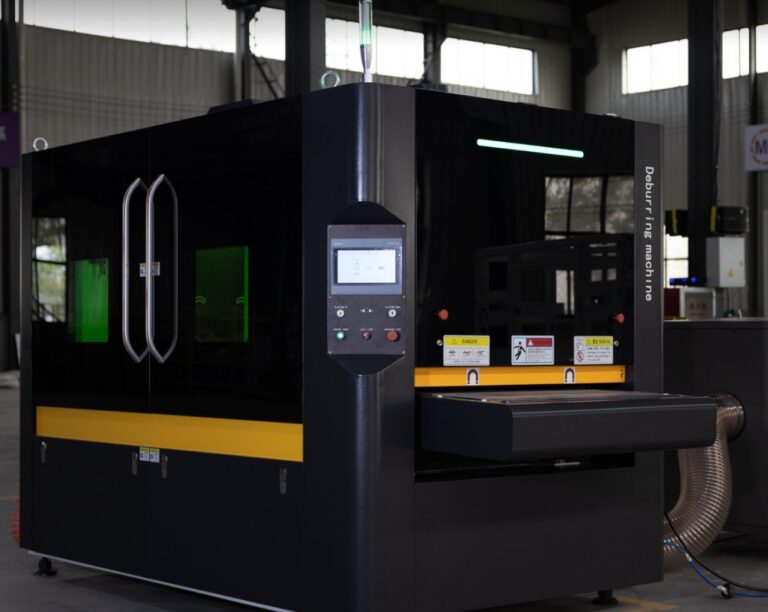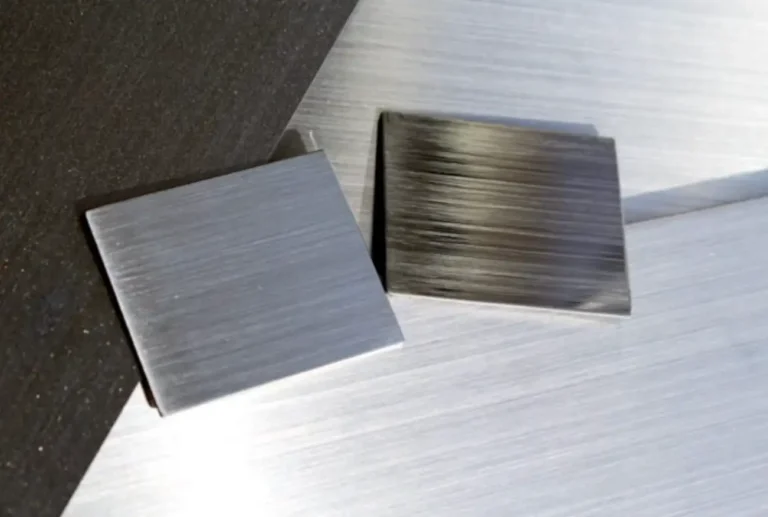
Embarking at comprehensive assessment involving self-operating equipment created intended for removing burrs characterize modernized production activities, providing prominent enhancements in rapidity and finish. This article examines the broad types of tools, including buffing blasting components, revolving mechanisms, and leading digital devices. We will address the positives of implementing this equipment, like cut personnel needs, improved manufacturing precision, and reinforced operational output.
Contour Deburring Instruments: Consistent Processing Clarified
Contour beveling systems offer a cutting-edge solution for creating specific improving on workpieces. As opposed to manual means, these digital machines offer stable products and significantly increase assembly competence. Such mechanisms often use diverse scraping gadgets like revolving burrs, lapping abrasives, or tailored patterns to cut away sharp ends and imperfections. This operation is vital in a extensive scope of fields, embracing aviation and digital.- Raise covering texture
- Decrease industrial spending
- Expand amount and functionality
Dross Elimination Machines: Gaining Immaculate, First-Class Textures
Current metalworking processes systematically give rise to significant amounts of residue, a byproduct that, if untreated, can severely affect the quality of the deliverable. Fortunately, advanced byproduct management systems offer a proven solution. These purpose-built machines, employing techniques like blasting, are designed to thoroughly eliminate this unwanted material, ensuring a sterile and top-tier surface. The resulting improvements include reduced rejection rates, upgraded aesthetic appeal, and an overall rise in throughput. By utilizing cutting-edge slag removal technology, manufacturers can consistently deliver elite surfaces and comply with stringent industry standards.
Thin Metal Surfacing: The Benefits of Deburring Units
Obtaining a high quality on sheet metal elements is critical for effectiveness, and deburring systems extend considerable advantages over traditional methods. Reducing burrs expeditiously not only boosts the appearance quality of the article, but also prevents anticipated issues during integration and operation. Also, precise deburring means enhance workflow throughput and diminish workforce fees.
Optimizing Sheet Metal Production with Automatic Deburring
With the aim to boost performance in sheet metal creation, adopt digital deburring solutions. Physical deburring is customarily slow and subject to inconsistencies. Adopting mechanized deburring offers major positives, including decreased employee charges, better item consistency, and amplified production rates. These commitments could substantially repay themselves.Opting for the Perfect Deburring System for Your Task
Choosing the premier deburring machine for your unique needs requires a exacting assessment of several points. First, consider the nature of medium you're managing – titanium requires specific techniques than polymer. Moving forward, consider the dimensions and shape of the pieces needing burr removal. Concluding, reflect on your workload scale; a bulk operation needs a custom type of mechanism than a low-volume one. Failing to account for these aspects can lead to poor results and additional investment.
Deburring Machine Method: Evolutions and Revolutions
State-of-the-art burr elimination tool procedure is encountering rapid advancement, prompted by the required for higher precision and output in activities methods. Major developments feature the integration of digital apparatuses for adjustable burr elimination tasks, alongside enhancements in buffing technique. We're in addition seeing a escalation in lightweight burr eliminating machines built for particular tasks, and innovative procedures like electron beam edge-removal are earning interest. The outlook reveals towards increased integration of burr removal apparatuses within the connected production center atmosphere.
Improving Composite Piece Excellence with Border Rounding
Many assembling processes for alloy parts introduce sharp edges, which can produce stress regions and deficiencies that degrade overall quality. Contour rounding, a simple yet powerful procedure, offers a straightforward solution. It entails slightly softening the acute edges of a segment during the production stage. This cuts down stress concentrations, strengthens fatigue capacity, and can avert fracturing. Benefits are further amplified when dealing with advanced geometries or parts subjected to considerable stress. Considerations include the correct curvature of the fillet and its bearing on assembly with other elements.
- Declines Stress Concentrations
- Boosts Longevity Performance
- Stops Snapping
Residue Clearing vs. Edge : Learning the Variations
Though many practitioners use the phrases “slag clearing” and “deburring” equivalently, they represent distinct procedures in metal construction procedures. Edge removal focuses on cleaning the sharp, often tiny, outgrowths created during milling operations—these are excess substance of stock left on the unit. Byproduct withdrawal, conversely, addresses the residue – typically a blend of contaminants – that arises during processes like fabricating. Essentially, deburring deals with superfluous edges, while slag clearing deals with this leftover of a alternative method. Ultimately, self-operating deburring and byproduct removal mechanisms are essential components of modern metal fabrication that ensure premium finished products with reduced defects and enhanced efficiency.Wrapping up the analysis focuses on the vital role of modern automated deburring technologies in influencing production criteria and enabling businesses attain improved productivity and excellence.