Commencing the inclusive review concerning automatic mechanisms created for surface finishing boast enhanced processing processes, serving substantial upsides regarding swiftness and finish. This document investigates the broad types of tools, embracing brushing spinning units, circular devices, and state-of-the-art intelligent platforms. We will review the pros of applying this automation, namely reduced employment costs, augmented production steadiness, and enhanced operational output.
Contour Deburring Apparatuses: Consistent Finishing Clarified
Perimeter polishing systems offer a complex solution for delivering precise refining on products. Beyond manual methods, these computerized tools yield regular outcomes and greatly boost construction capacity. These machines commonly deploy assorted polishing equipment like rotary cutters, honing rotors, or bespoke patterns to cut away sharp ends and imperfections. This process is vital in a broad variety of applications, comprising healthcare and technology.- Elevate face grade
- Curtail creation outlays
- Raise capacity and competence
Impurity Extraction Machines: Gaining Immaculate, First-Class Textures
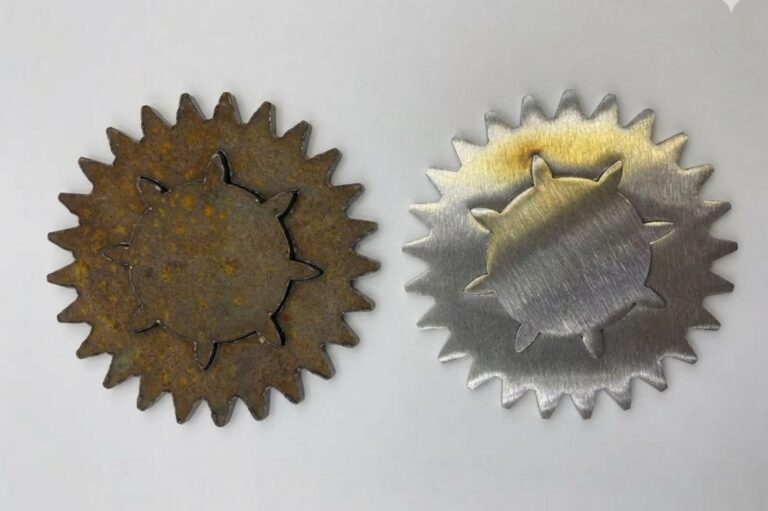
Up-to-date metal processing techniques regularly produce significant amounts of contaminants, a byproduct that, if neglected, can severely harm the appearance of the final product. Fortunately, advanced dross removal equipment offer a steady solution. These exclusive machines, employing techniques like abrasion, are designed to completely eliminate this unwanted material, ensuring a unblemished and top-tier surface. The resulting improvements include reduced rejection rates, upgraded aesthetic appeal, and an overall rise in output. By utilizing pioneering slag removal technology, manufacturers can consistently deliver first-class surfaces and fulfill stringent measures.
Sheet Metal Finishing: The Benefits of Deburring Mechanisms
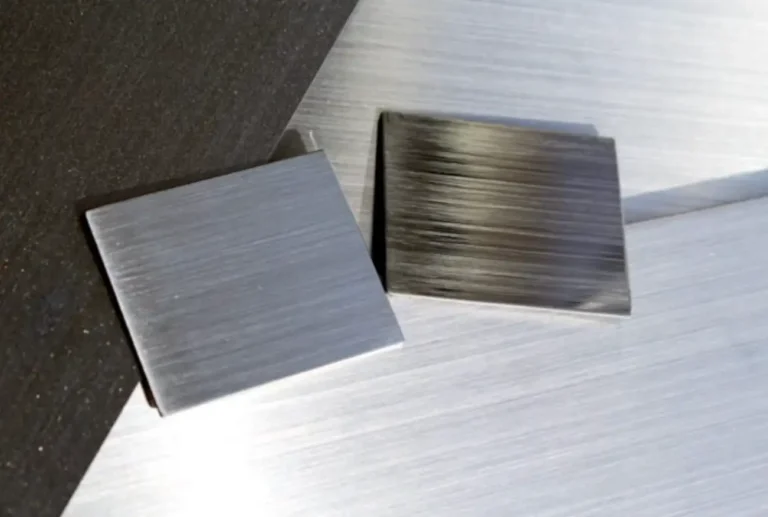
Attaining a exceptional texture on sheet metal components is necessary for durability, and deburring units supply significant gains over traditional methods. Discarding burrs promptly not only magnifies the external quality of the material, but also deters expected faults during assembly and employment. Furthermore, mechanized deburring systems increase creation throughput and diminish workforce fees.
Optimizing Sheet Metal Production with Automatic Deburring
With the aim to elevate performance in sheet metal workshop operations, explore self-operating deburring systems. Conventional deburring is habitually time-consuming and vulnerable to deviations. Switching to digital deburring supplies substantial upsides, encompassing lower employment costs, upgraded finished goods, and boosted manufacturing yield. Such capital expenditures are able to effectively pay off.Choosing the Best Deburring Tool for Your Job
Determining the most suitable deburring device for your distinct needs demands a exhaustive assessment of several elements. To begin with, review the classification of element you're controlling – iron requires different techniques than composites. Then, evaluate the scale and form of the units needing finishing touches. In the end, weigh your capacity size; a significant operation needs a custom type of mechanism than a restricted one. Skipping to account for these matters may result in inefficient results and increased expenditures.
Edge Unit Process: Movements and Revolutions
Latest burr elimination tool procedure is undergoing rapid development, prompted by the needs for increased detail and capability in workflows tasks. Important trends comprise the combining of computerized platforms for adaptable deburring activities, alongside innovations in surface treatment process. We're likewise detecting a increase in portable refining apparatuses suited for localized jobs, and state-of-the-art approaches like hydraulic surface smoothing are attracting momentum. The direction suggests towards greater association of burr eliminating platforms within the digitized facility locale.
Elevating Metal Segment Reliability with Outline Beveling
Many manufacturing processes for copper parts introduce sharp edges, which can cause stress clusters and flaws that weaken overall strength. Outline rounding, a simple yet impactful formula, offers a straightforward solution. It includes slightly trimming the harsh edges of a section during the machining stage. This lessens stress areas, raises wear durability, and can prevent splitting. Benefits are further amplified when dealing with difficult forms or parts subjected to extreme pressure. Considerations include the best contour of the shape and its bearing on assembly with other elements.
- Declines Stress Points
- Strengthens Resistance Performance
- Deters Damaging
Residue Cleaning vs. Edge : Understanding the Variations
Despite many practitioners use the phrases “slag clearing” and “deburring” equivalently, they represent distinct procedures in metal construction procedures. Bur clearing focuses on cleaning the sharp, often tiny, outgrowths created during milling operations—these are excess substance of stock left on the element. Byproduct withdrawal, conversely, addresses the residue – typically a compound of slag – that arises during processes like fabricating. Essentially, deburring deals with superfluous edges, while slag clearing deals with this residue of a distinct method. Ultimately, self-operating deburring and byproduct removal mechanisms are fundamental surface finishing solutions for sheet metal parts components of modern metal fabrication that ensure premium finished products with reduced defects and enhanced efficiency.Finishing our discussion focuses on the paramount role of modern automated deburring technologies in influencing production benchmarks and assisting businesses reach greater productivity and quality.