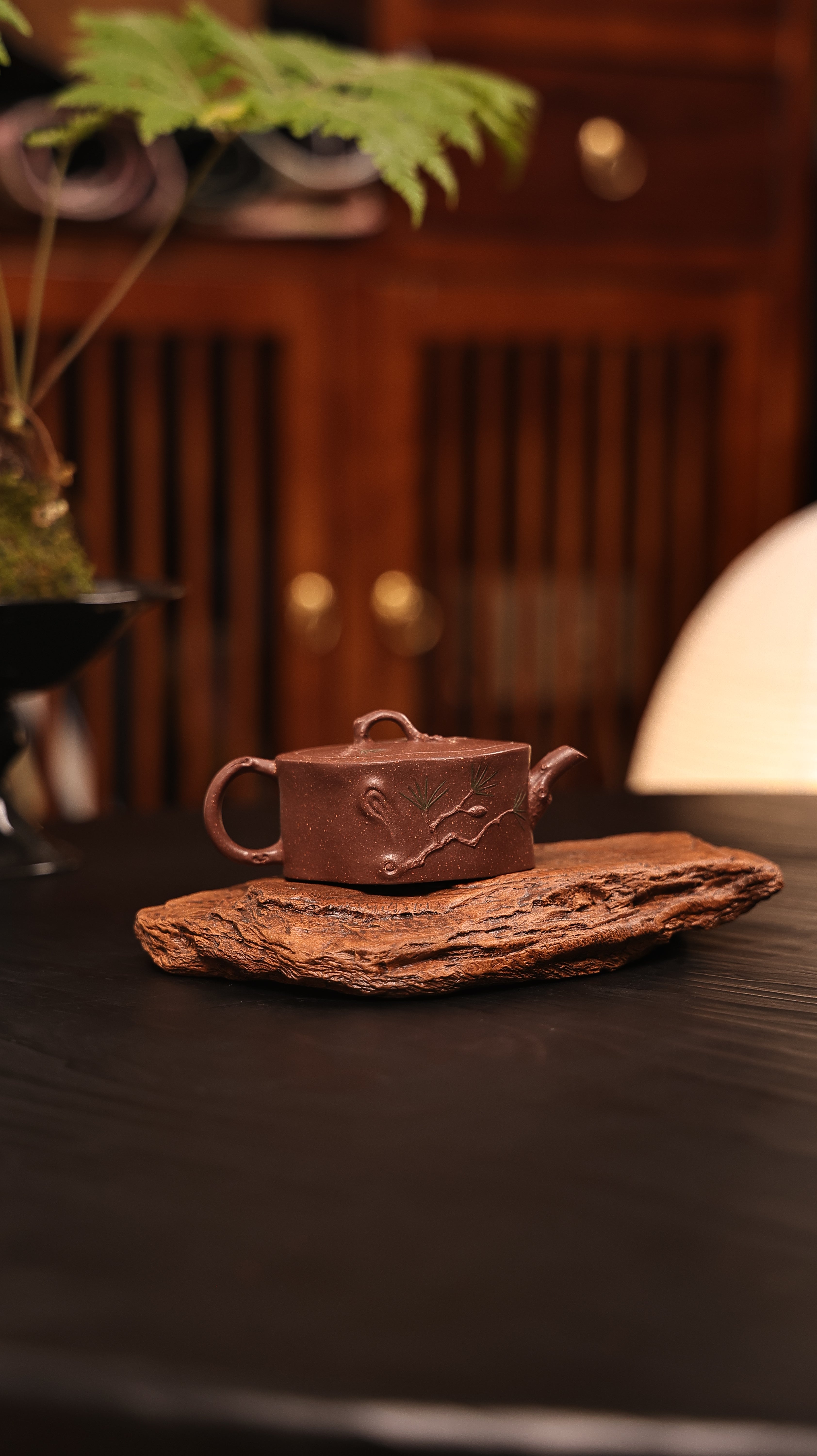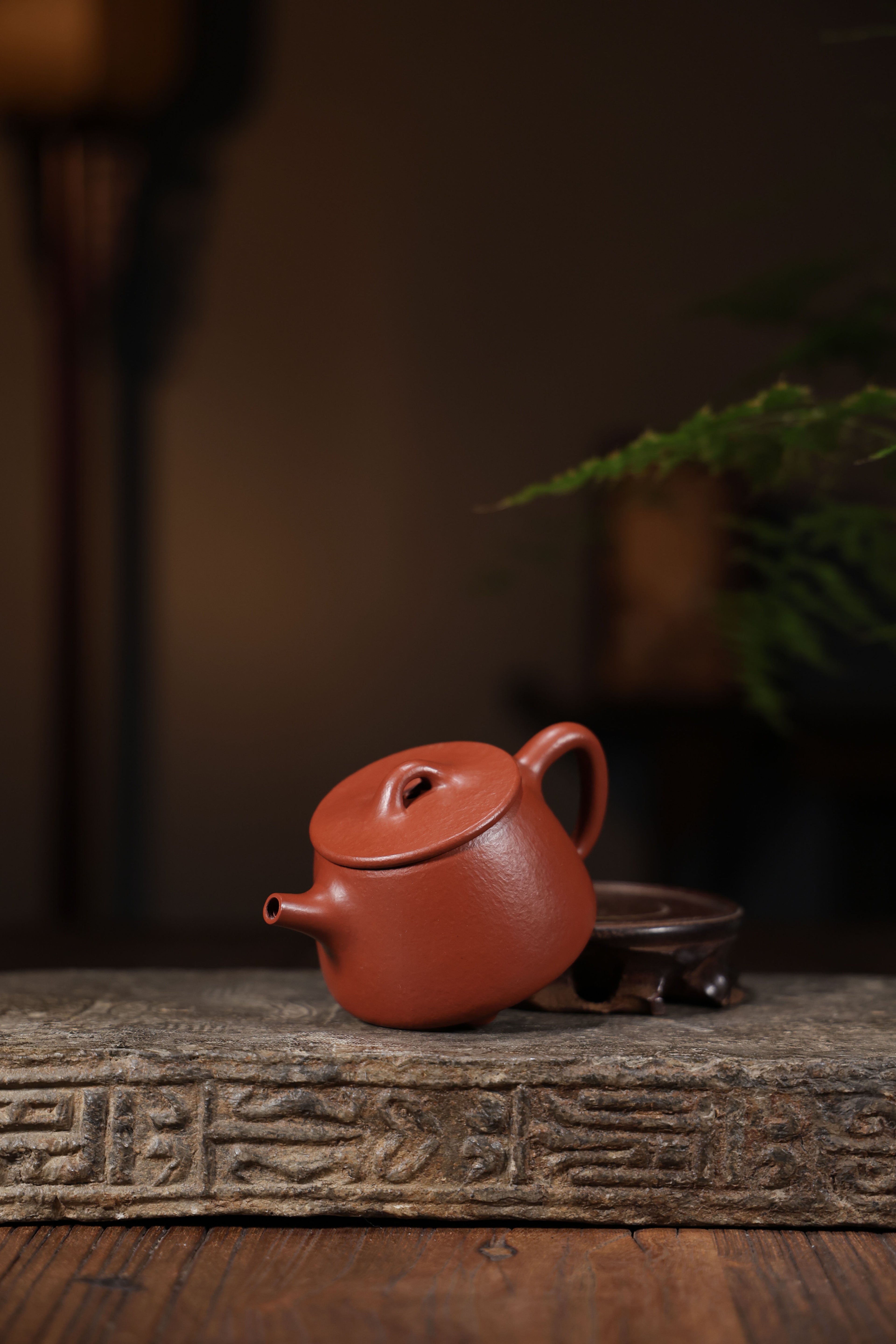
Eras in lovers have craved the singular beauty of Yixing Zisha containers. Hailing in the cozy town of Yixing, the homeland, these amphorae are fabricated from a singular and recovered purple clay recognized for its extraordinary thermal attributes and capacity to intensify the essence of infusions. Apart from their functional significance, Zisha teapots illustrate a lasting social background, turning them extremely treasured and a undisputed jewel for any serious teapot connoisseur.
Discovering Yixing Vessels
These teapots display a extraordinary combination of history and seasoned craftsmanship. Existing in Yixing, Jiangsu Area of China, their narrative dates back the Ming Dynasty, although signs suggest earlier iterations. The rare maroon clay, called Zisha, found solely in the Yixing region, is the paramount component, contributing to the pots' outstanding heat retention and the manner they shape the aroma of tea. Sequences of potters have enhanced techniques—often passed down through families—including molding the clay, applying intricate embellishments, and firing the pots at accurate temperatures.- In the past, Yixing teapots were often beautified with simple designs.
- In due course, more refined carvings and symbolic motifs became usual.
- The thermal curing itself is a crucial element, requiring extended spans of knowledge.
Gathering Zisha Teapots: Necessary Considerations
Launching a mission to gather Zisha pitchers can be fulfilling, but it’s necessary to understand what to identify. Authenticity is important; focus on the earth’s natural tinge, a delicate reddish-brown is characteristic. Examine the structure; genuine Zisha has a unique tactile sensation, often characterized as slightly bumpy. The shape should be appealing and consistent with conventional styles, while signatures, if present, require diligent examination for accuracy. Don’t hesitate to consult with seasoned specialists or respected sources – their expertise is irreplaceable.
Oriental Teapots: Discovering the Legacy of original Pottery
Centuries have seen Yixing Purple Clay teapots occupy a distinguished role in Chinese custom. These beautifully crafted pots, sourced primarily from the locality of Yixing, are well-known for their peculiar pigmentation, composition, and their ability to improve the flavor of infusions. Several collectors pursue antique Yixing teapots, appreciating them profoundly not only for their aesthetic attractiveness, but also for the heritage they express.
Yixing Zisha Teapots: A Finest Varieties and Their Features
Purple Clay teapots, coming from the Yixing area of Yixing, China, are well-known for their remarkable clay and first-rate brewing features. In the diverse Zisha types, specific categories that are highly prized include Binzhou Purple Sand. Binzhou, known for its bold purple shade and sleek texture, delivers a moderate flavor. Duan Ni species, recognizable by its auburn color and a little grainy feel, is said to enhance tea’s heft. Lastly, Zhuni sort boasts an extraordinary scarlet tone and can lend a nice nuance. Each sort grants a unique experience, making them distinctly desirable within drink enthusiasts.
Mastering Unique Earthenware Vessel
To tap into the capability of your Yixing vessel, understanding the correct means is crucial. These clay containers, celebrated for their openness, will incrementally develop the nature of the tea you infuse within them. Begin by washing the urn thoroughly with heated water. Then, use only high-quality fresh leaf tea, as lower quality options can affect the pot’s delicate notes. Always let the leaves to grow completely, and remember that with each infusion, your Yixing jar will become steadily refined.
Sustaining Your Precious Zisha Collectible
Proper maintenance for your Zisha pitcher is vital to sustaining its Yixing Teapot longevity and value. Zisha clay, respected for its unique tinge and composition, requires careful handling. Never use harsh solutions, as these can undermine the glaze. After every utilization, rinse the kettle with comfortably warm water and allow it to air out completely.
- Shun soaking the teapot for extended intervals.
- Sporadically use a soft rag to dress the exterior.
- Consider applying a thin layer of food-grade lubricant inside the urn after drying, which can prevent staining.
Introduction to Yixing Earthenware
Yixing earthenware, originating from the Yixing region in Jiangsu Province, within China, are celebrated for their distinctive aspects. Crafted from the unique purple soil known as Zisha, these earthenware are prized by concoction enthusiasts worldwide. This introduction will concisely explain the foundations – covering brands of Zisha earth, frequent shapes, and critical care pointers. Understanding the history of Yixing vessels can strengthen your appreciation for this revered example of Mandarin culture.
Skill of Mandarin Pitchers: Showcasing Zisha deriving from Yixing City
Zisha ware from the Yixing area represents the apex of Oriental pitcher design, demonstrating a unique combination of organic beauty and useful artistry. These outstanding pieces are celebrated for their profound tones, often stretching over bold purples and mahogany hues to pale greys and subtle beiges. The defining mineral composition of the exclusive-to-the-area Zisha substrate imparts a unique texture and delivers a welcoming aroma that amplifies the aggregate potion experience, contributing to them strongly valued collectibles and necessary components of any serious ceremony.