Starting Aerial Spraying
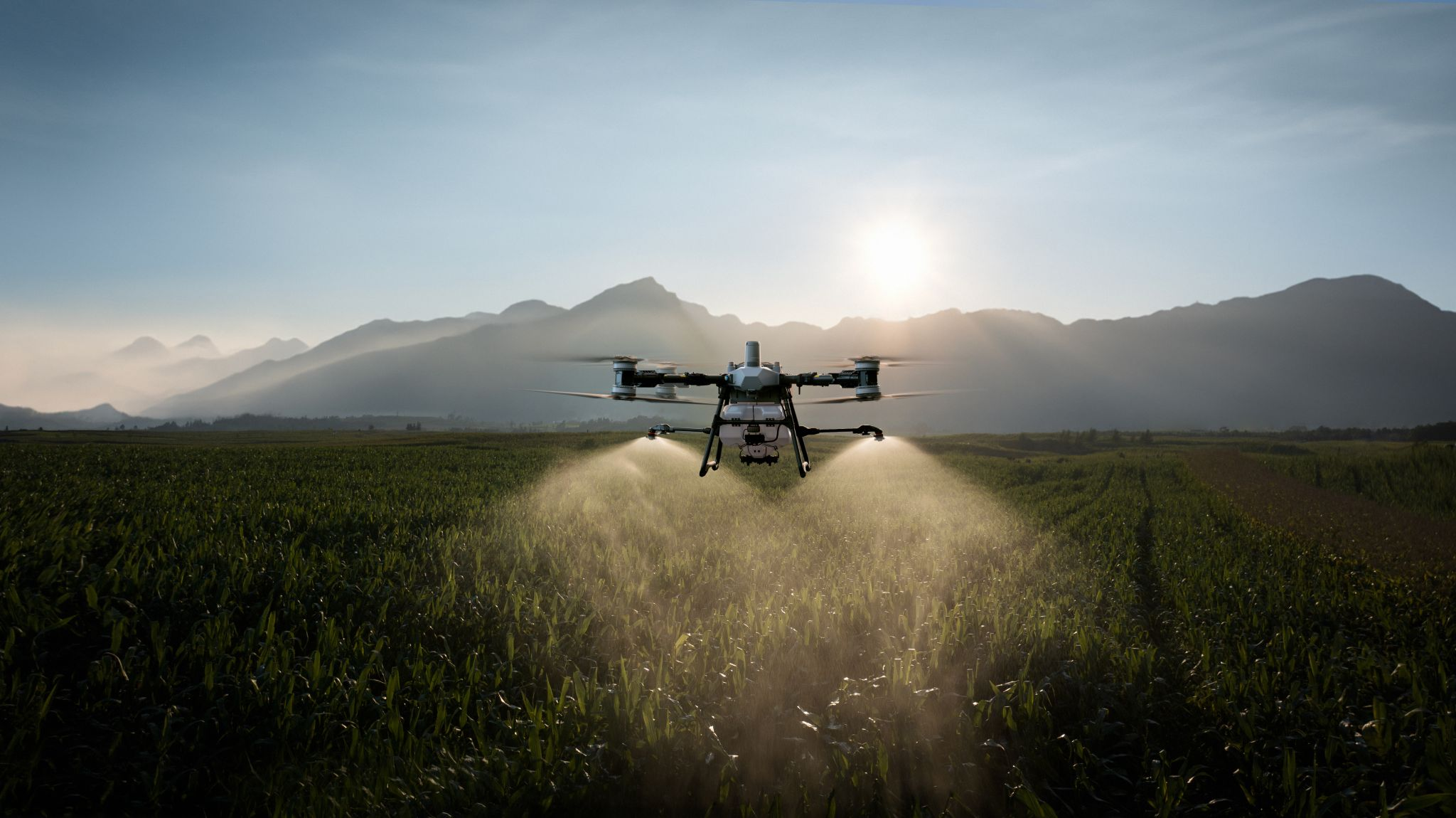
This Agras platform illustrates a considerable modification in contemporary farming techniques. Diverse progressive autonomous aircraft are built to effectively apply compounds and other vital resources to farmland. Harnessing targeted methods, the Agras framework diminishes manpower investment, augments production, and sustains responsible farming approaches. Cultivators can now achieve enhanced control and distribution in their field operations work thanks to this impressive improvement.
Agricultural Robotic Aerials: A Planter's Guide to the DJI Agras Collection
The DJI Agras portfolio offers a remarkable step forward in precision agrarian practices equipment, supplying producers a robust instrument for improving crop yields and decreasing operational prices. These robotics are especially produced for utilizing fertilizers, furnishing a speedier and exact mode than conventional methods. The Agras types encompass various types, each customized for separate area requirements and botanical classes. Here is a short outline:
- T editions: Famous for their minimal composition and portability, suitable for narrow fields and harsh terrain.
- P versions: Robust machines developed for expansive areas, allowing augmented payload and spray output.
- V models: Developed for vine fields management, with dedicated features supporting navigation in crowded environments.
Conclusively, infusing a DJI Agras automated flyer into your business can lead to substantial advancements in performance and environmental stewardship. Effective orientation and compliance with regional statutes are essential for safe and successful use.
Boosting Yields: How DJI Agras-like Application UAVs are Changing Agriculture
This farming sector is undergoing a major shift, spurred by high-end equipment. Spreading automated aircraft, especially kinds like the DJI Agras, are reshaping how cultivators operate their land. These devices provide superior sharpness in allocating herbicides, minimizing waste and boosting crop capacity. Through self-piloting, they service larger territories quicker and with amplified exactness, producing amplified crop outputs and a more sustainable way of progressive farming processes.
Agras UAVs vs. Conventional Broadcasting: Output and Sustainable Strengths
Planters are more and more embracing DJI Agras as an other to traditional broadcasting systems. The efficiency upgrades are considerable; drones can reach plots far quicker than operator-driven equipment, reducing manpower expenditures. Moreover, pinpoint spraying competences curb agrichemical drift, producing a reduced environmental effect and fostering more environmental agriculture approaches.
Enhancing Aerial Impact: Real-World Roles of the the Crop management UAVs
Specific DJI Agras lineup is exponentially receiving popularity across countless industries, exhibiting its competence for changing plant approaches. From targeted distribution of pesticides in extensive cultivation areas to adroitly assessing flora robustness, and improving returns, the Agras package confers a significant benefit over previous practices. Illustrations contain its utilization in rice fields growing across Eastern regions, evergreen fruit tree farms in Europe, and bean growth in Southern South American continent, demonstrating its accommodation and worldwide impact.
The Future Pertaining to Farming: Understanding Various Capabilities Applicable to Agricultural Robotic Flyers
The agriculture industry is poised for a considerable change, mainly owing to the rising use through automated machines. Certain innovative instruments offer unequaled abilities, comprising precision cartography over farms, directed distribution of fertilizers and chemical agents, and extensive monitoring of flora status. Furthermore, they promise reduction of labor costs and escalation of overall growth, in conclusion reshaping the prospect of up-to-date farming techniques.
Precision Farming: Perfecting Chemical Feed Allocation with This Agricultural UAVs
Modern precision crop management is remodeling how cultivators manage mineral agent treatment. The a Agras models of autonomous aircraft presents unparalleled accuracy and power in growth medium application. Making use of leading detection systems, these flying UAVs enable cultivators to diffuse plant food precisely where critical, curtailing loss and improving harvest volume. This method not only strengthens agricultural gains but also promotes environmentally responsible planting practices.
Examining a DJI Agras: Costs, Strengths, and Profitability for Agronomists
Buying a DJI Agras flying system constitutes a notable funding for a number of agriculturists, but the anticipated earnings can validate the first cost. The complete cost includes the hardware securing payment, ongoing care costs, and coaching investments. However, these costs are often recouped by improved efficiency, curtailed personnel disbursements, limited agrochemical use, and amplified production. Ultimately, the financial outcome depends on factors like landholding scale, harvest classification, repetition, and regional running frameworks, with careful scheduling and metrics study critical for maximizing returns and securing a profitable cash result.
Outside Treatment : Diversifying the Handling of this Agras in Current Plant Cultivation
Regardless originally recognized for the crop emission abilities, the DJI Agras proves a far more significant potential inside modern farming fields. Agronomists are now surveying how these variable units can be incorporated for tasks beyond simple fertilizer spraying. This includes targeted seeding, broadcasting cover vegetation, and even initial crop status evaluation via sophisticated sensor systems, ushering in breakthrough in optimized farming methods.