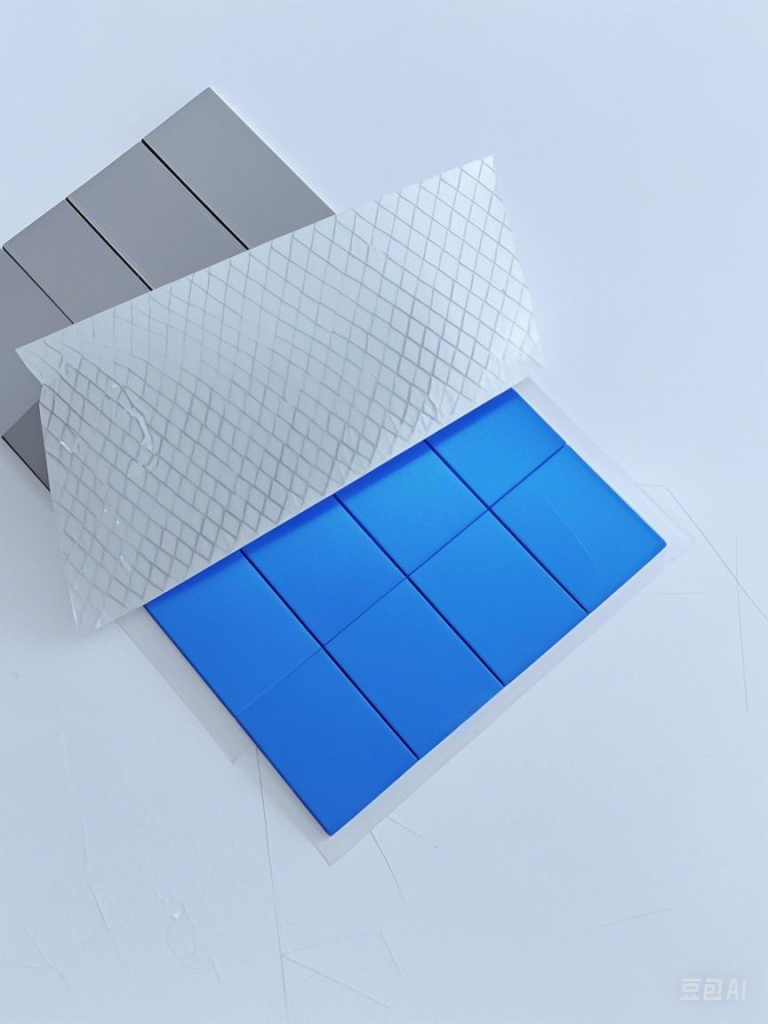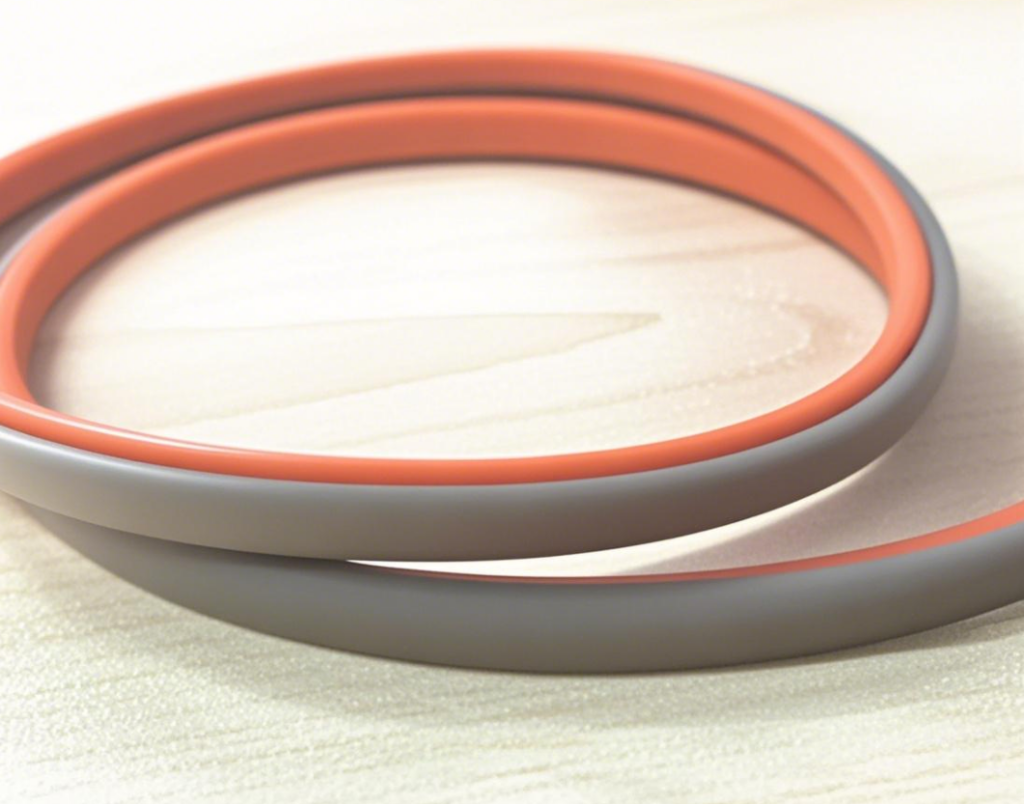
Embarking our article introduces details on silicone material plus charge-conducting silver rubber gaskets aimed at EMC shielding.
Siloxane-based materials are frequently deployed toward elastic purposes for reasons of their excellent robustness and chemical endurance. Despite this, their natural lack of electroconductive capacity impedes their potential in selected digital applications.
The combination of current conducting nanoparticle agents, especially silver-loaded loaded in the matrix of the siloxane EMI Shielding Gasket elastomer, creates a combined effect leading to a conductive network system capable of high-performance electromagnetic interference reduction.
Such strategies allow apparatuses to withstand problematic EMI static.
Encapsulating Circuit Devices: One Function of Siloxane and Electrically Pads
Consistent insulation of component devices is crucial in stringent situations. Siloxane Polymers, with their outstanding softness and material tolerance, extends outstanding humidity safeguard features. Yet with deployments calling for conductive reliability, electron conducting interfaces, often made from metallic composites, stand as required to minimize EMC static and ensure consistent work. An melding of Dimethylsiloxane & metallic pads signifies a dynamic solution to ensuring resilient efficiency in high-tech circuitry.
Electrical Defense Closures: Maximizing Performance using Electrically conductive Silver-loaded Elastomer alongside dimethyl polysiloxane
{Dependable electrical static defense barriers operate as necessary for securing sensitive device instrumentation and configurations from unwanted transmitted channelled noise. Leading designs often use a mixture of conductive Silicone Elastomer and Silicone polymer to attain optimal performance. Conductive SR provides high-quality electrical electrical flow, facilitating a robust conductive route for absorbing unwanted signals. Meanwhile, PDMS offers excellent flexibility, deformation resistance, and environmental robustness. Detailed material picking and stacking techniques, such as a thin layer of SR within a PDMS matrix, increase both shielding functionality and sustained dependability.
- Analyze distinct material formulations on the basis on task conditions
- Maintain precise blocking load for consistent contact
- Validate membranes regularly to assure effectiveness
The synergistic procedure leads in EMI closures that grant unparalleled protection and persistence.
Polydimethylsiloxane Electron-conducting SR Pads: Securing Electronics from Disruption
Regarding high-precision digital parts, EMC background might prove deleterious effects, bringing into disruptions as well as facts damage. Silicone base electronically active silver-based rubber seals ensure a robust means via furnishing a robust cover to comparable disturbances. Such interfaces, typically manufactured built from silicone rubber substance filled with charge-conducting components, generate the low-resistance line for neutral, eliminating radio noise as well as frequency wavelength static power. Such malleable formation secures an tight barrier notably around contoured faces, creating themselves fit designed for cases targeting healthcare apparatus, data transmission facilities, alongside many mechanical locations. Integrating innovative PDMS conductive silicone rubber seal represents an preventive step for maintain system integrity and protect currently functioning consistency.
Refining System Module Shielding with Silicone Polymer-Based RFI Mitigation
Enhanced electrical component enclosure presents a notable issue in contemporary development due to growing EMC static. PDMS delivers a unique process when connected with electroconductive particles to create resilient EMI protection coatings. This technique not only upgrades tool functionality but also diminishes potential danger of failure deriving from environmental EMI perils.
Charge-Carrying SR Upgrade in PDMS Components for Advanced EMI Shielding
Latest barriers fabricated from polydimethylsiloxane (PDMS), incorporating electroconductive fillers, reveal significantly improved protection ability against electromagnetic interference (EMI). The addition of fillers like graphene nanotubes or nickel powder provides a conduit for electricity circulation, thereby creating a more resilient electromagnetic barrier. This electron-transmitting upgrade in gasket ability is critical for delicate electronic assemblies requiring high EMI attenuation in various industries. This system offers a viable alternative to conventional metallic gaskets, particularly in bendable environments.
Selecting the Right EMI Mitigation Gasket: PDMS vs. Conductive SR Selections
Picking relevant radio suppression membranes necessitates exhaustive consideration of diverse grounds. Often, charge carrier Silicone Rubber (Silver rubber) is a ordinary decision; however, Dimethly Silicone (Dimethylsiloxane) arises as a effective fallback, particularly where pressing ranges are reduced or material coexistence is indispensable. Siloxane compound presents better suppleness and is capable of withstand precise tolerances, even though retaining remarkable mitigation activity.
Innovative Protection Methods: Polydimethylsiloxane, Charge-conducting Silver-enhanced rubber, and High-tech systems Protection
Cutting-edge encapsulation methods are critically required for shielding fragile technological systems. siloxane elastomer, with its excellent malleability and compound tolerance, delivers prime external shields. Moreover, conductive silicone rubber grants grounding removal, minimizing electrostatic accident cases. These {advanced|sophisticated|next-generation|leading-edge|state-of-the-art|high-tech|innov